







Search Results for: Low-Temperature Aging
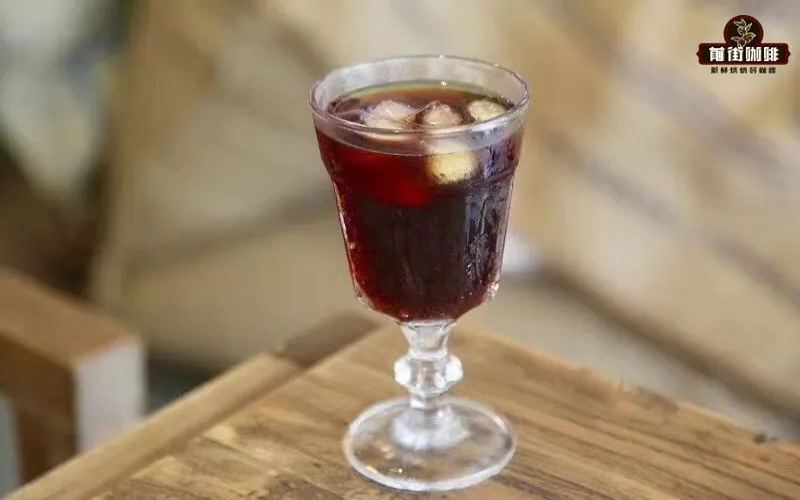
Why Does Cold Brew Coffee Emit a Wine Aroma and Wine-Like Character? Analyzing the Flavor Formation in Low-Temperature Extraction and Aging
Many coffee enthusiasts, when tasting ice drip coffee, are surprised by its faint, elusive notes of wine aroma and character, even wondering if alcohol has been added, or if the coffee beans themselves carry a wine-like flavor. In fact, this unique flavor does not come from any added ingredient, but is closely related to the special way ice drip coffee is made. Freshly dripped ice drip coffee is actually thin in flavor and can even taste astringent; it needs to undergo sealed low-temperature aging to become mellow and layered. This article, drawing on Front Street Coffee's practical experience, will analyze the principles behind how the wine-like flavor of ice drip coffee forms, explain how low-temperature extraction inhibits bacterial growth, and why sealed refrigerated aging can produce a fermentation aroma similar to alcohol. It will also compare the uncontrollability of natural fermentation in hot-brewed coffee, helping readers understand how each step in making ice drip coffee affects the final flavor. [more…]
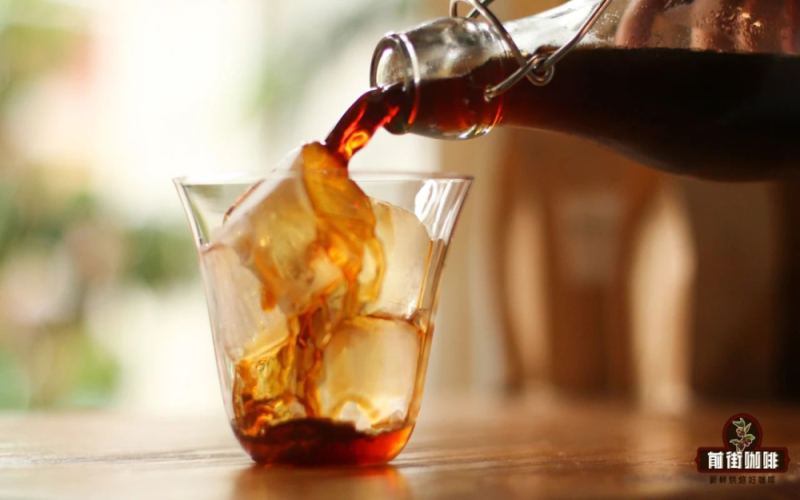
The Alcoholic Aroma Secrets of Ice Drip Coffee: A Detailed Guide to Cold Brew Grind Ratio, Drip Parameters, and Low-Temperature Aging Process
The rich, lingering fermented wine aroma of cold brew coffee often leads people to mistakenly believe that alcohol has been added to it, but this is not the case. The source of this unique flavor is closely related to the cold brew extraction method and the subsequent low-temperature aging process. Front Street Coffee will guide you through the cold brew coffee-making process: from key parameters such as the coffee-to-water ratio and drip speed, to why it cannot be drunk immediately after extraction, how low-temperature aging gives coffee its wine aroma, and the precautions to take during preparation and storage. If you also want to recreate at home a cup of clean, smooth cold brew interwoven with fruity and wine aromas, you might as well follow Front Street's approach step by step, from bean selection to aging. [more…]
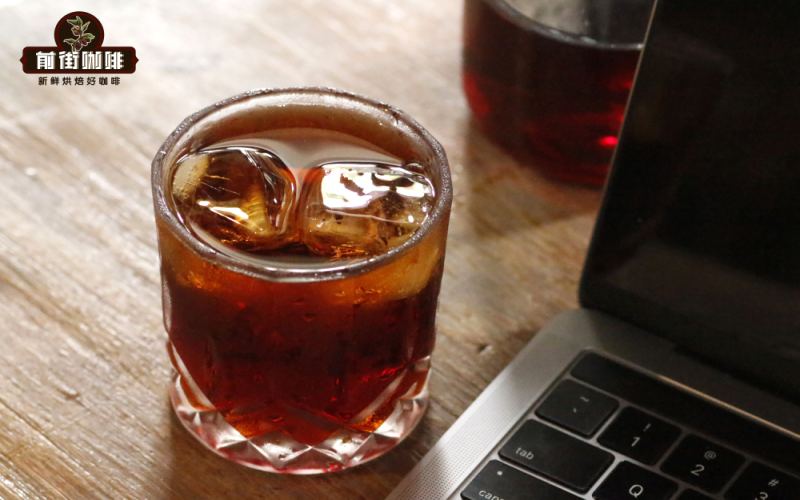
Why Does Cold Brew Coffee Develop More Wine-Like Aromas Over Time? A Chemical Perspective on Low-Temperature Aging and Fermentation Mechanisms
Many people tasting cold drip coffee for the first time are surprised: is there alcohol in this cup of coffee? In fact, that boozy note does not come from alcohol, but is the result of the unique cold drip extraction method combined with subsequent low-temperature aging. Starting from Front Street Coffee's actual cold drip coffee-making parameters and drawing on chemical principles, this article explains how ester hydrolysis produces the alcohols responsible for the wine-like aroma, while comparing the differences with the natural fermentation of hot-brewed coffee, and gives the optimal drinking window and safety recommendations for cold drip coffee. [more…]
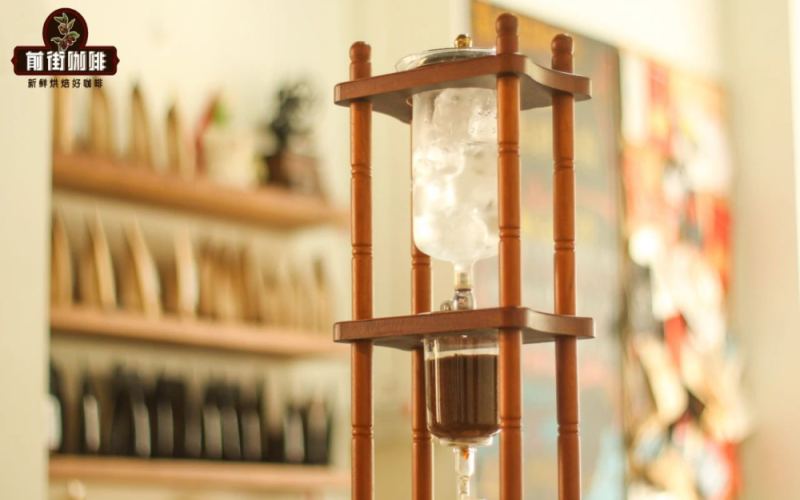
Why Isn't Cold Brew Coffee Sour or Astringent? A Detailed Explanation of Its Taste Characteristics, Brewing Method, and the Principles of Low-Temperature Aging
Ice drip coffee is known for its clean, full-bodied, smooth taste and rich fermented wine aroma, but many people mistakenly think it contains alcohol when they first encounter it. In fact, ice drip is a type of cold brew coffee, made by extracting drop by drop with ice water over a long period. Freshly made ice drip is not at its best for drinking; it needs low-temperature aging in the refrigerator to reveal its full fruity feel and wine aroma. Based on Front Street Coffee's production practice, this article explains in detail the coffee-to-water ratio, drip rate, aging time, and storage recommendations for ice drip, giving you a comprehensive understanding of the flavor sources and key production points of ice drip coffee. [more…]
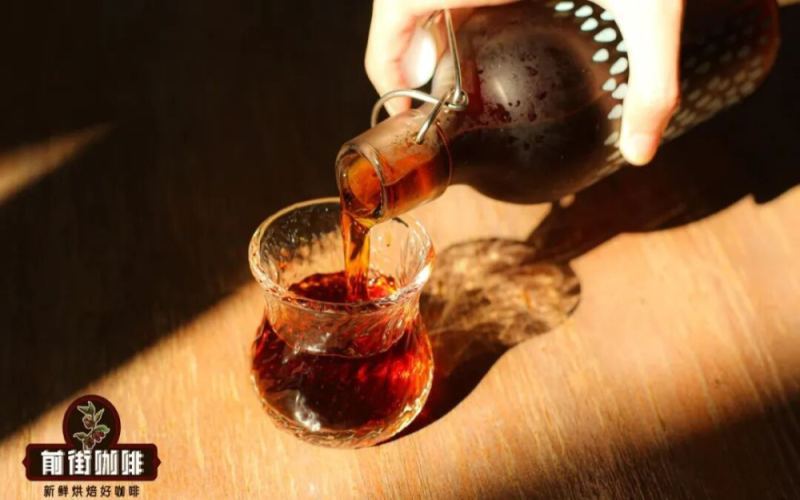
Why Does Cold Brew Coffee Have a Wine-Like Aroma? Why Is It Astringent Right After Brewing? An Analysis of the Optimal Drinking Window
The unique wine-like aroma and bouquet of cold drip coffee often lead people to mistakenly think that alcohol has been added, but in fact this comes entirely from its production method and low-temperature aging process. However, freshly dripped cold drip coffee often tastes thin or even astringent, and needs to be aged in the refrigerator to reveal a smooth, rich flavor. So how long exactly should cold drip coffee be left before drinking? Why does it develop a wine-like flavor after being stored for a long time? And why can it not be stored indefinitely? Starting from Front Street's production experience, this article explains in detail the principles behind the changes in cold drip coffee from production to aging, and from astringency to vinous aroma, and gives recommended drinking periods to help you better enjoy this cup of slow-brewed coffee. [more…]
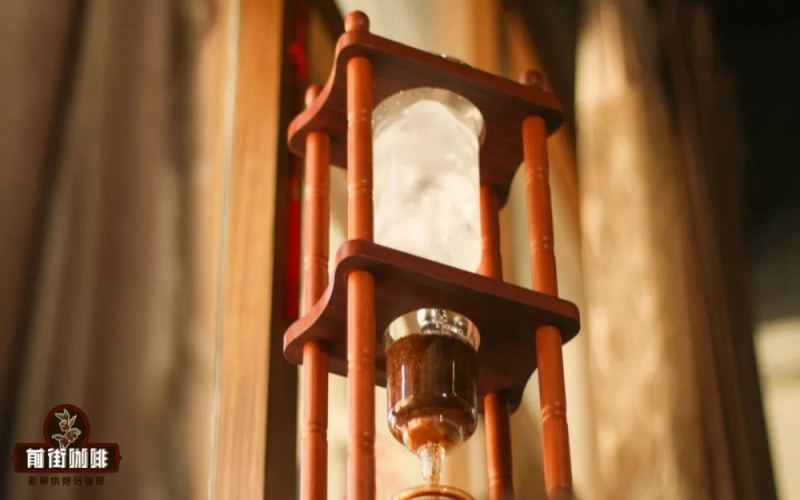
Cold Brew Coffee Making Guide: A Detailed Explanation of 6 Key Steps and Parameters from Bean Selection to Drip Filtration
Cold brew coffee is deeply favored by enthusiasts for its rich, wine-like body and refreshing fruity aroma, but recreating the ideal flavor at home requires precise control over bean selection, grinding, ratio, extraction, and aging. This article systematically outlines the 6 core steps for making cold brew coffee, including suitable roast levels and single-origin bean recommendations, coffee grounds coarseness standards, the golden coffee-to-water ratio, techniques to avoid channeling, optimal drip rate settings, and refrigeration fermentation methods for enhancing flavor. The article specifically includes suggestions for several single-origin beans from Front Street Coffee, such as Bird of Paradise, Queen's Estate Brazil, and Honduras Sherry, to help you create a cup of cold brew coffee that combines bright fruity acidity with fermented depth through slow drip filtration and low-temperature aging. [more…]
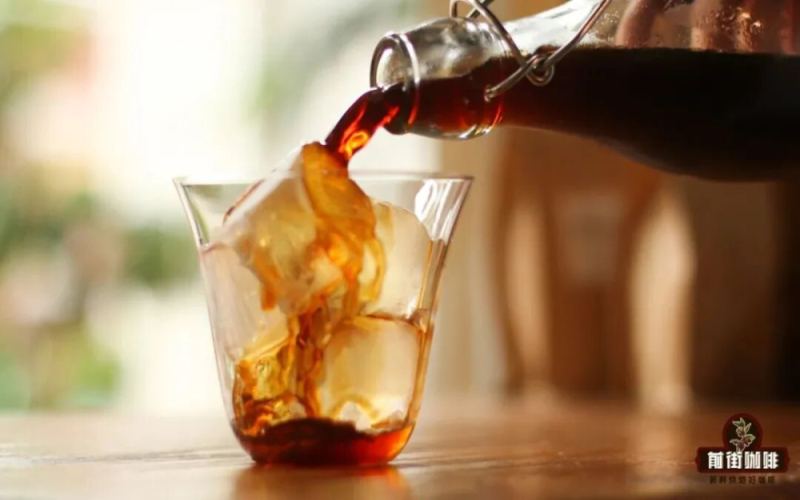
A Complete Guide to Cold Brew Coffee: Key Parameters for Flow Rate, Grind, Ratio, and Aging Time
With its lengthy brewing process and distinctive flavor layers, ice drip coffee has become a representative of "slow work yields fine results" in the minds of many coffee enthusiasts. Unlike cold brew, ice drip relies on a dedicated device, extracting by having ice water drip through the coffee grounds one drop at a time, then undergoing refrigerated fermentation and aging to present a rich and smooth taste. Starting from Front Street's hands-on experience, this article breaks down in detail the four core variables of ice drip coffee—grind size, drip rate, extraction ratio, and aging time—and provides specific parameter recommendations to help you make a standard-quality ice drip coffee at home. [more…]
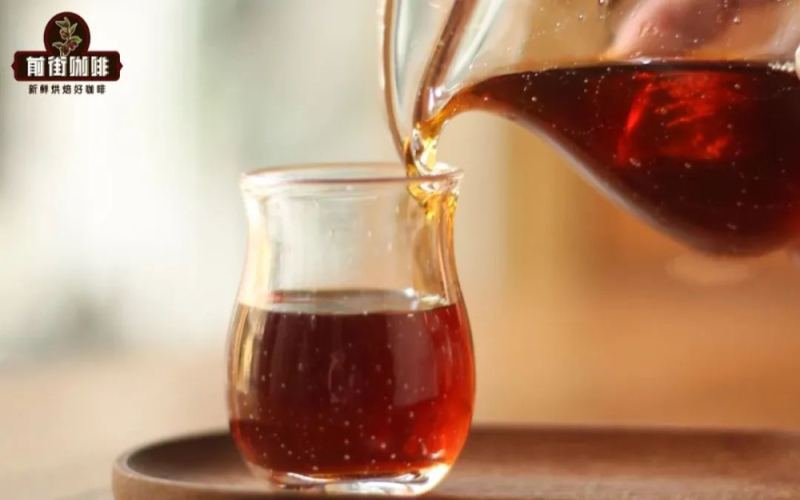
How long does it take to make cold brew coffee, and which coffee beans are more suitable for making cold brew?
As the weather heats up, cold brew coffee has once again become a hot commodity in cafés. How exactly does it differ from an Americano? Why is it often more expensive? This article explores the making of cold brew: from the structure of a dedicated cold brew tower, a 1:10 coffee-to-water ratio, and 5–8 hours of drip filtration, to low-temperature aging for over 8 hours—a 600ml batch takes more than ten hours from start to finish. We'll also cover bean selection—single-origin beans with floral, fruity, or fermented wine-like notes are more suitable—as well as the Tiamo cold brew tower commonly used at Front Street Coffee and specific brewing parameters, to help you understand why cold brew is expensive and where its appeal lies. [more…]
Cold Drip, Cold Brew, and Iced Brew: A Detailed Guide to the Process Differences of Low-Temperature Coffee Extraction and Five Handcrafted Bean Selections
In the iced coffee family, there are many names—cold brew, ice drip, iced brewed, cold steeped, Dutch coffee, Kyoto coffee—that often leave people bewildered. This article starts from the broad concept of cold brew coffee, sorts out the two major low-temperature extraction paths of immersion and drip filtration, traces the origin of Dutch coffee, the process by which Japan's Hanabusa Coffee invented the three-layer ice drip pot, and the emphasis on the brewing and aging step behind the term "iced brewed." The article also presents five Front Street single-origin beans suitable for making iced brewed coffee, covering Yirgacheffe, Kenya, Panama Butterfly, Costa Rica Mozart, and Strawberry Candy Geisha blend, explaining each one's origin, altitude, variety, and processing method, and noting the flavor performance of medium-light roasts in cold brew. [more…]
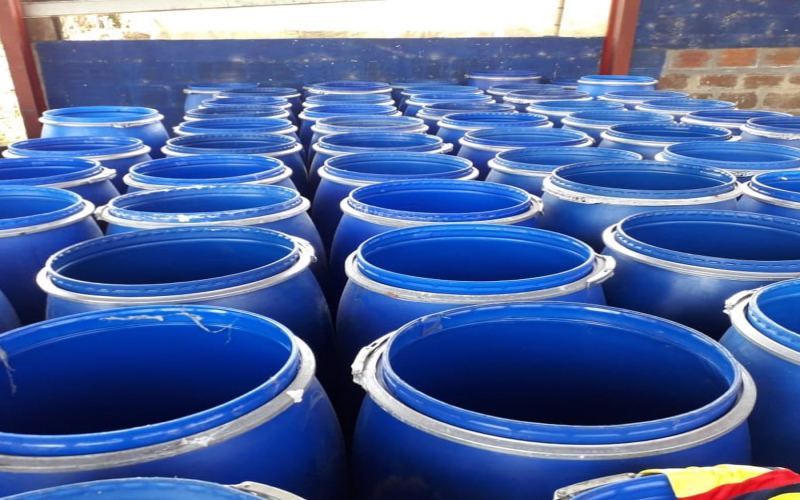
A Comprehensive Analysis of Specialty Coffee Processing Methods: The Craft and Flavor of Anaerobic Fermentation, Barrel Aging, and Wine Infusion
In recent years, an increasing number of specialty green coffee beans processed with special processing methods have appeared on the specialty coffee market. Is this really something to be happy about? Front Street Coffee believes that special processing methods were originally intended to give the flavor of coffee beans from a certain producing region more distinctiveness. However, as their use has continued to expand, some processing methods today seem to be more about masking the defects of the coffee beans themselves and then selling them at a high price. In fact, all special processing methods have evolved around the three traditional methods: washed, natural, and honey. This article will systematically sort out the most common types of special processing methods on the market, including anaerobic fermentation, barrel fermentation, and red wine processing, and, combined with Front Street Coffee's cupping experience and specific products, analyze their processing procedures and flavor characteristics. [more…]

Ice Drip Coffee Fermentation Duration and Cold Brew Optimal Drinking Window: Production Key Points and Storage Recommendations
Cold brew coffee takes a long time to make, so it is often available only in limited quantities at cafés. It originated in Europe and is said to have been invented by the Dutch, which is why it is also called Dutch Coffee. During preparation, ice water seeps through the coffee grounds by dripping naturally, eventually flowing drop by drop into the lower pot, so it is also known as water-drip coffee, and the whole process usually takes more than 8 hours. This article will introduce the steps for making cold brew coffee in detail, including the key aspects of the coffee-to-water-to-ice ratio, grind size selection, filter paper placement, and drip rate control, while also answering common questions about cold brew coffee fermentation time and the best drinking period. The article also uses Front Street Strawberry Candy coffee beans as an example for a practical demonstration and explains the effect of low-temperature refrigeration "aging" on flavor, as well as why it is recommended to drink it within 5 days. [more…]
The Complete Guide to Ice Drip and Cold Brew Coffee: Brewing Key Points, Flavor Profile, and Front Street Coffee Bean Recommendations
In the height of summer, ice drip and cold brew, these two low-temperature extraction coffees, have become popular choices among iced coffees thanks to their refreshing, smooth performance and full-bodied flavor. This article sorts out the Dutch origins and the Japanese and Korean trends of ice drip coffee, explains in detail the ice drip and cold brew preparation parameters of Front Street Coffee, covering key points such as grind size, coffee-to-water ratio, drip speed, and refrigeration time, and recommends specialty beans suitable for low-temperature extraction, such as Sherry, Fruit Ding Ding, Huakui, Huahudie Geisha, and Strawberry Candy. At the end, it also answers practical questions such as why cold brew should be refrigerated again for "aging" after it is made, and why it is recommended to finish drinking it within 5 days. [more…]
How to Make Starbucks-Style Cold Brew at Home? A Complete Tutorial from Principles to Sherry Ice Drip
In the heat of summer, a cup of cold brew coffee made with low-temperature extraction is a favorite among many coffee lovers. But what exactly is the difference between cold brew, iced pour-over, and iced Americano? Which coffee beans are more suitable for cold brew? Using Honduran Sherry beans as an example, Front Street Coffee gives a complete demonstration of the iced drip coffee-making process, including key parameters such as coffee dose, grind size, coffee-to-water ratio, and drip rate control. At the same time, the shelf life of cold brew coffee is also a concern for many people, and this article also provides practical suggestions. [more…]
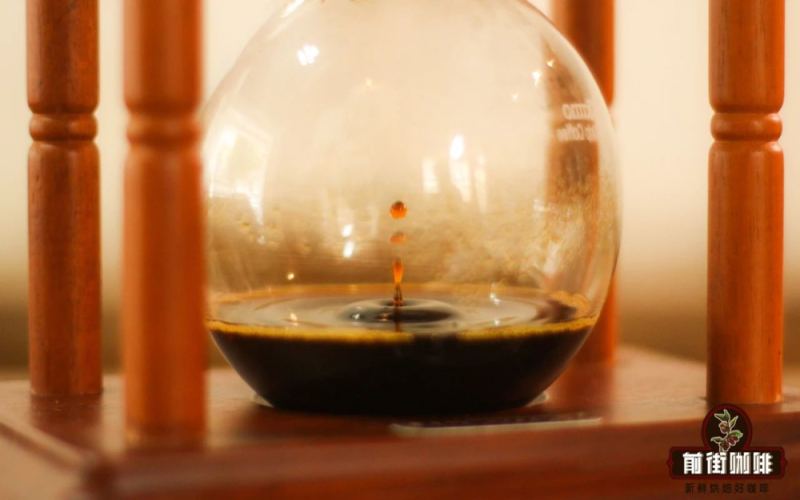
Key points for making cold brew coffee and flavor variations, plus an analysis of the parameter differences from iced pour-over
Cold brew coffee is often served in limited quantities in cafés because a single batch can easily take over eight hours to make. This cold coffee drink, which originated in Europe and is said to have been invented by the Dutch, is also known as DUTCH COFFEE. Because it relies on water dripping naturally through the coffee grounds and then falling drop by drop into the lower vessel to be collected, it is also called water-drip coffee. It is completely different from the simple method of adding ice to hot coffee: the former is low-temperature extraction, while the latter is brewed with hot water and then cooled. This article will cover the production steps of cold brew, bean selection ideas, drip rate control, refrigeration and aging, as well as the specific parameters for iced pour-over, to help coffee lovers clarify the differences between the two kinds of iced coffee, and provide Front Street Coffee bean recommendations and practical reference. [more…]
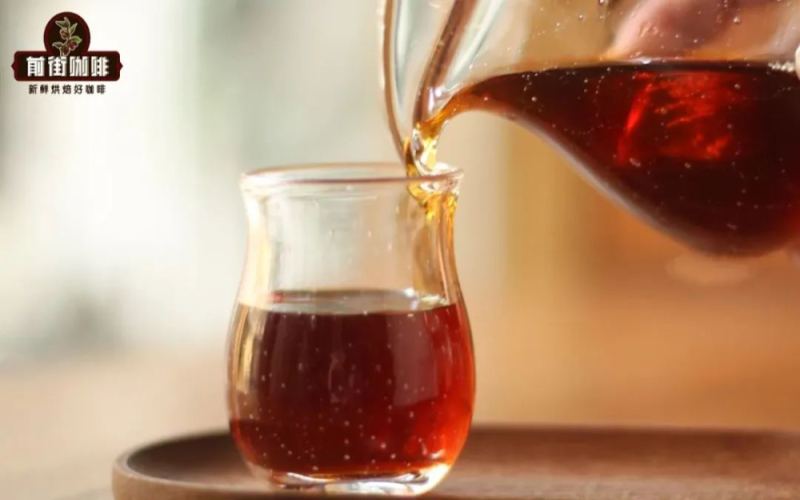
Coffee Equipment | Cold Drip Coffee Maker: Why Is Cold Drip Coffee So Expensive? How Many Hours Does It Take to Make Cold Drip Coffee? What Are the Flavor Characteristics of Cold Drip Coffee?
As the weather gradually heats up, the pre-made coffee in Front Street Coffee's fridge has become the most popular hot seller besides iced Americano. No introduction needed—customers walk in and say directly: Boss, one iced drip! Some guests, unsure what to order, hesitate and ask the barista: What's the difference between that iced drip and an Americano? [more…]
Front Street Colombia Finca San Jose Rum Barrel Fermented Coffee: Analysis of Flavor Formation and Brewing Performance
The rum barrel-fermented washed beans from Front Street Coffee's San Jose estate in Colombia are a highly representative example of the low-temperature anaerobic fermentation trend in recent years. They originate from a bold idea by the estate's owner, Monsalve Botero—placing green coffee beans into oak barrels for low-temperature fermentation. These beans use Supremo-grade Castillo and Naranjal varieties, which are fermented in barrels after depulping, then washed and dried on raised beds, revealing flavors of rum, cantaloupe, and dark chocolate. This article will review the origins of the processing method, the characteristics of the green beans, their unique performance in roasting and brewing, and explore the possible causes behind their rich vinous notes. [more…]
How to Make Delicious Cold Brew Coffee: Single-Origin Bean Selection Ideas and Brewing Parameters Explained
Cold brew coffee is made in a special way and needs to be prepared a day in advance, so cafes usually do not offer as many bean choices as they do for pour-over. This article focuses on the brewing method and water-to-coffee ratio parameters for cold brew, starting with Front Street Coffee's cold brew procedure: using 50 grams of coffee grounds as the base, with a grind size referencing an 85% pass rate through a No. 20 standard sieve, paired with 400 milliliters of room-temperature water and 200 grams of hard ice cubes, at a coffee-to-water ratio of 1:12, left to steep in the refrigerator for 12 to 24 hours before filtering, then refrigerated for about 4 hours before drinking. It then combines the characteristics of cold brew—not bitter, mildly acidic, mellow in flavor, and with a low-temperature aging and fermentation feel—to share directions for selecting single-origin beans suitable for cold brew, including washed process and Geisha (T2722), and gives specific recommendations from Front Street Coffee's bean list. [more…]
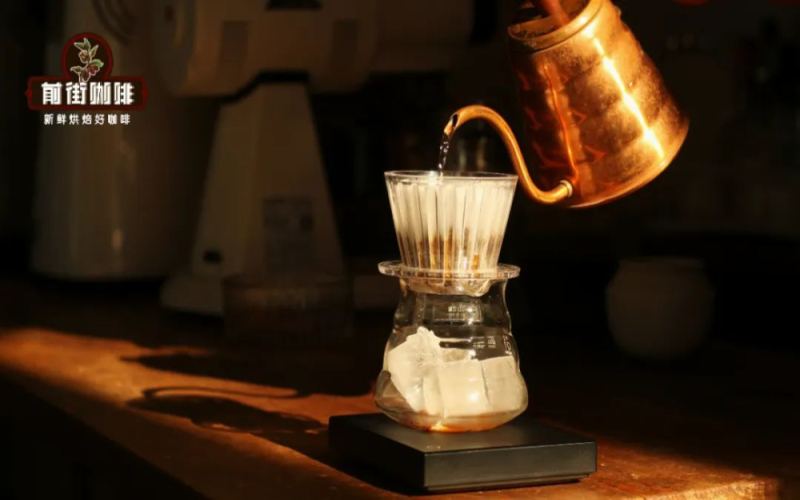
What's the difference between cold brew, ice drip, and iced Americano? From principles to preparation, understand all three types of iced coffee at once
Iced coffee is not just one method. Depending on the extraction temperature, iced coffee on the market can be broadly divided into two categories: one is brewed with hot water and then cooled with ice, with iced Americano being the most typical example; the other involves low-temperature or room-temperature water directly contacting the coffee grounds, allowing the flavors to release slowly, with cold brew and ice drip both belonging to this camp. Although both are low-temperature extractions, they differ considerably in equipment, process, and final taste. This article will start from the extraction principles, outline the home preparation steps for cold brew coffee, explain the structure and output logic of the ice drip pot, and explain why the ice drip made from the same beans is often cleaner than cold brew. Friends who like floral and fruity notes can also refer to several Front Street Coffee bean recommendations suitable for making iced coffee. [more…]
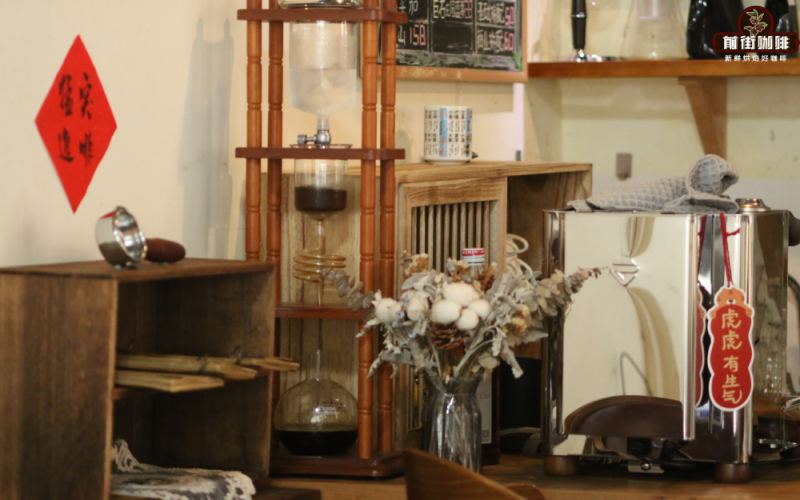
Cold brew coffee steeping time | What is the coffee-to-water ratio for cold brew iced coffee? Should hot water or cold water be used to make cold brew coffee? Which coffee beans are suitable for cold brew iced coffee?
Cold brew coffee is one of the essential drinks we can enjoy in the hot summer days. Standing in front of the blackboard at Front Street Coffee, looking at the dazzling array of coffee varieties, all my knowledge of the producing regions was instantly forgotten, and I didn't know where to start. This time, let [more…]
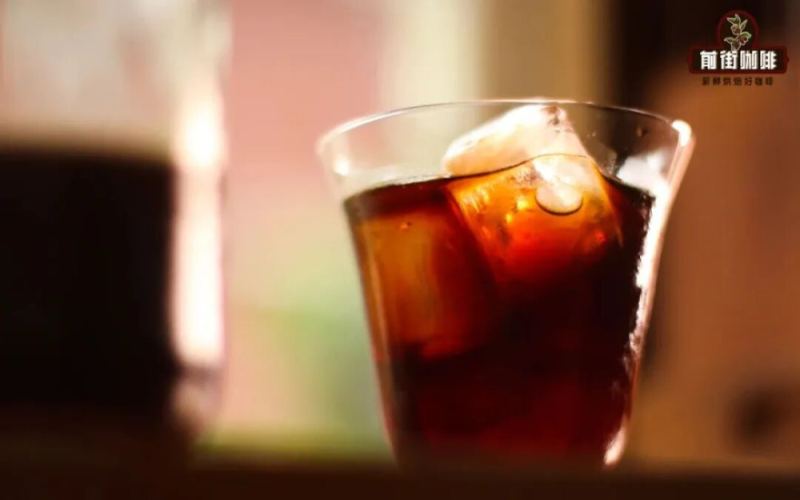
How do you adjust cold brew coffee when it turns out bitter or sour? Breaking down the key causes of over-extraction and under-extraction in low-temperature brewing
Cold brew coffee, with its smooth, full-bodied taste and lower acidity, has become the top choice for many people in summer. It uses cold or room-temperature water to steep coffee grounds for a long time; in a low-temperature environment, small-molecule floral and fruity notes are released first, while large-molecule roasted substances are difficult to dissolve, making it cleaner and softer than hot brewing. In practice, however, "too bitter" and "too sour" remain the two most common problems. This article analyzes the root causes of over-extraction and under-extraction in cold brew from the perspectives of roast level, grind size, steeping time, and filtration method, and offers practical adjustment tips from Front Street Coffee to help you make a balanced, easy-drinking glass of iced coffee. [more…]